

Video games have a unique power that no other art form possesses — they can make you, the real person holding the controller, part of the story. While films and books can surprise or unsettle you, only a video game can tell you to do something in real world in order to progress in the game. There are moments where the game reaches through the screen and reminds you that you were never just a spectator. Here are seven times video games broke the 4th wall so brilliantly, they broke players’ brains along with it.
1. Metal Gear Solid (1998)
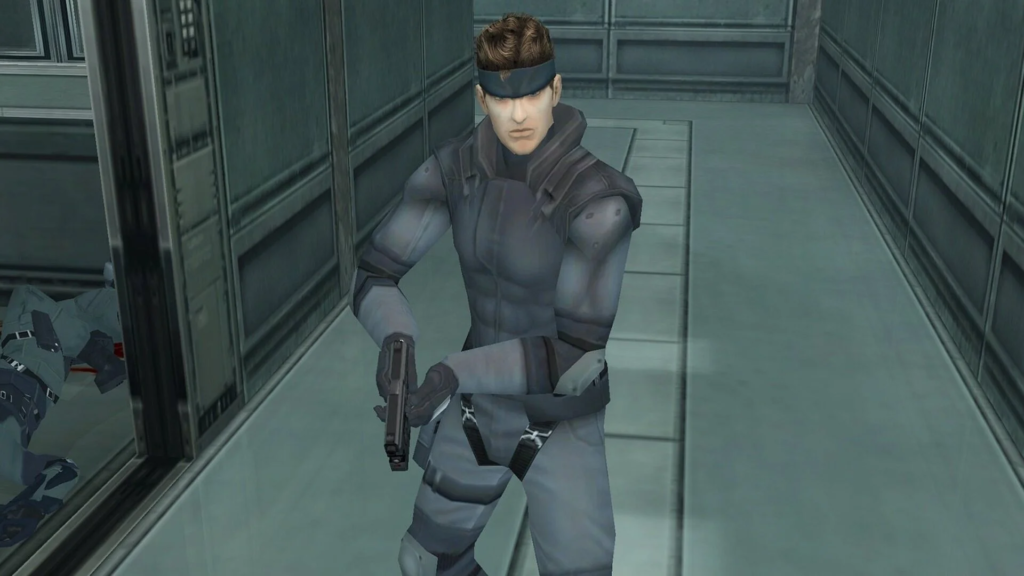
Psycho Mantis is the moment video games grew up and got clever. Before the boss fight begins, the telepathic villain reads your PS1 memory card and calls out other Konami games saved on it by name — Castlevania, Suikoden, and others — addressing you, the player, not Snake. He makes your DualShock vibrate on command, briefly kills your TV signal, and displays “HIDEO” on screen like a real input interruption. His ultimate trick, however, is gameplay itself: he can only be defeated by physically unplugging your controller from Port 1 and switching it into Port 2, because he “reads your mind” through your inputs. No boss before or since has made you interact with your own hardware to win a fight.
| Detail | Info |
|---|---|
| Release Date | September 3, 1998 |
| Genre | Action-Adventure, Stealth |
| Platforms | PlayStation, PC, GameCube |
| Co-op | No |
| Developer | Konami Computer Entertainment Japan |
| Publisher | Konami |
2. Eternal Darkness: Sanity’s Requiem
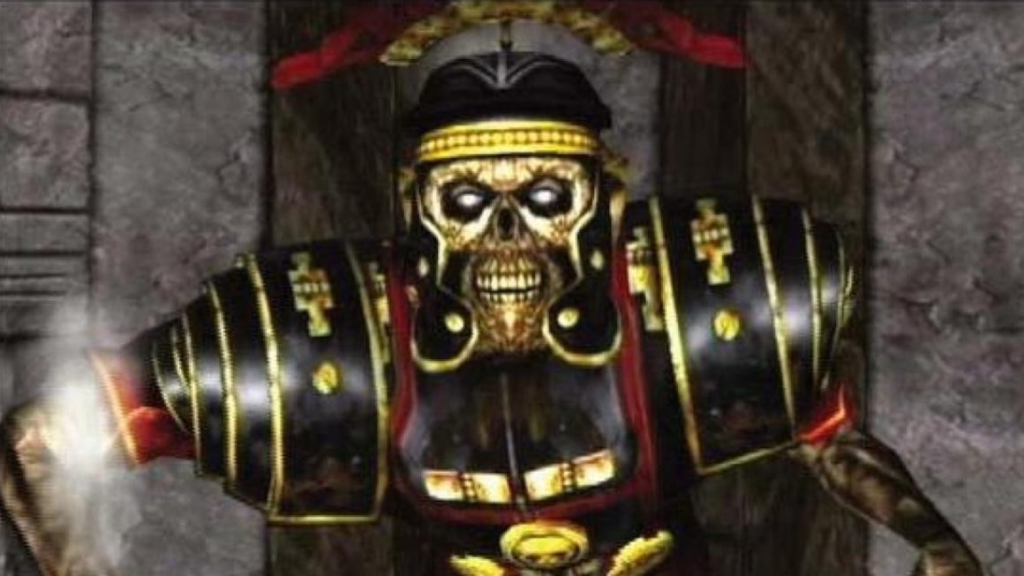
Most horror games try to scare your character. Eternal Darkness tried to scare you. When your in-game sanity meter dropped too low, the game stopped attacking the character on screen and started attacking the person holding the controller. It faked the deletion of your save files, also displayed a convincing blue screen of death. It sometimes showed a fake “Controller Disconnected” notification also pretending to mute your television volume. Players ran to check their GameCube in a genuine panic, not realizing the game was orchestrating every second of it. The “Sanity Effects” system remains one of the most inventive and psychologically devious mechanics ever built into a video game, and nothing before or since has replicated it with the same commitment.
| Detail | Info |
|---|---|
| Release Date | June 23, 2002 |
| Genre | Survival Horror, Action-Adventure |
| Platforms | GameCube |
| Co-op | No |
| Developer | Silicon Knights |
| Publisher | Nintendo |
3. Metal Gear Solid 2: Sons of Liberty
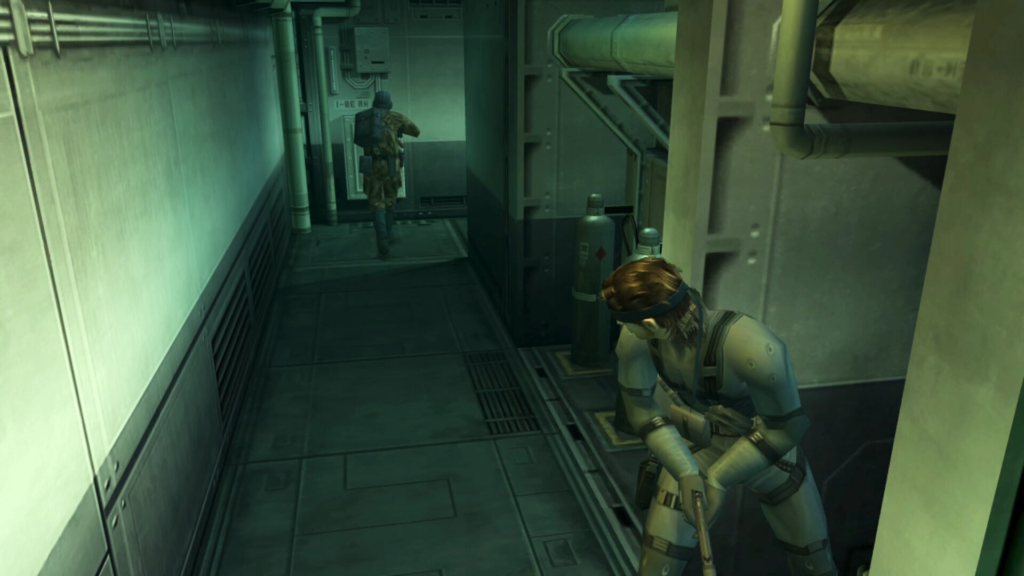
Kojima returned to the well and somehow dug deeper. Near the climax of MGS2, your trusted codec contact Colonel Campbell begins broadcasting deeply unhinged transmissions — instructing Raiden to turn the game console off, referencing the controller physically in your hands, and sending corrupted messages that convincingly mimic real software failure. Then the game pulls the rug entirely: the whole mission may have been a constructed simulation designed to manipulate both Raiden as a character and you as a player. It is a meta-narrative so ambitious it confused mainstream audiences in 2001 — and is now studied as one of the most daring pieces of storytelling in the medium’s history.
| Detail | Info |
|---|---|
| Release Date | November 13, 2001 |
| Genre | Action-Adventure, Stealth |
| Platforms | PlayStation 2, Xbox, PC |
| Co-op | No |
| Developer | Konami Computer Entertainment Japan |
| Publisher | Konami |
4. Undertale

Toby Fox designed Undertale from the ground up as a game that knows it is a game — and uses that self-awareness as both a weapon and a storytelling tool. The villain Flowey understands he exists inside a resettable timeline and has been exploiting that fact for an eternity. The most chilling moment comes mid-boss-fight: if you close the game to escape him, he saves your exact position and waits. When you return, he taunts you about it directly. He also deletes your save file at a critical story moment — violating the one thing every player instinctively trusts. Undertale does not just break the 4th wall. It dismantles the entire concept of player safety.
| Detail | Info |
|---|---|
| Release Date | September 15, 2015 |
| Genre | RPG, Indie |
| Platforms | PC, PS4, PS Vita, Switch |
| Co-op | No |
| Developer | Toby Fox |
| Publisher | Toby Fox |
5. Doki Doki Literature Club

What begins as a cheerful, pastel-coloured anime dating simulator quietly and methodically dismantles itself — and you. The character Monika becomes self-aware that she exists inside a video game and begins manipulating its actual data files, including deleting other characters directly from your game’s installation folder on your hard drive. She does not speak to your in-game avatar. She speaks to you, the real person sitting at the keyboard. If you leave the game idle, she notices and comments on your absence. She even reads your PC’s username and works it into conversation. It is the most fully committed act of 4th wall destruction in gaming history, built into a game that was completely free to download.
| Detail | Info |
|---|---|
| Release Date | September 22, 2017 |
| Genre | Visual Novel, Psychological Horror |
| Platforms | PC, Mac, Linux, PS4, PS5, Switch, Xbox |
| Co-op | No |
| Developer | Team Salvato |
| Publisher | Team Salvato |
6. Spec Ops: The Line
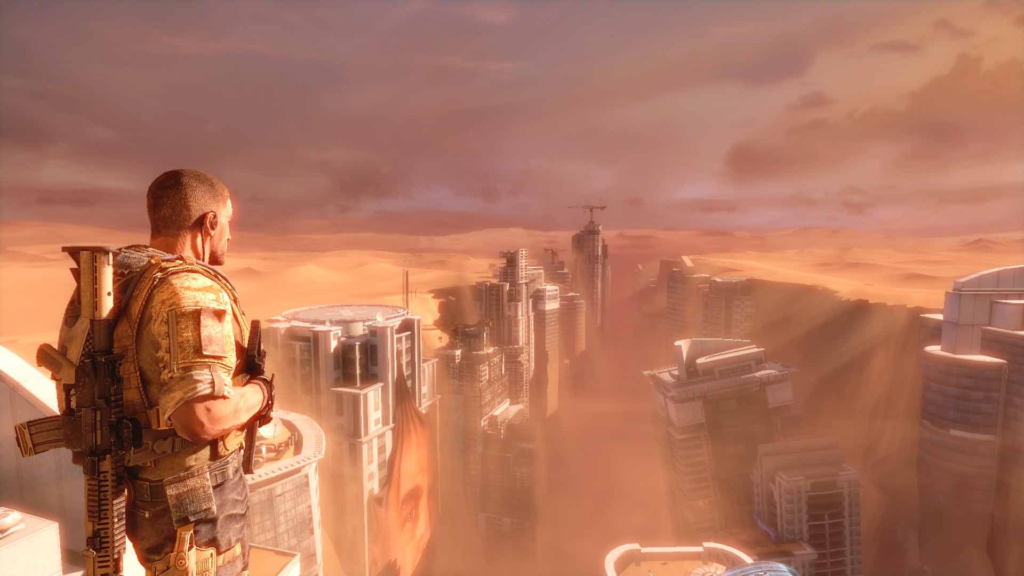
Spec Ops: The Line does not trick you with a clever mechanic. It accuses you. As the game’s narrative darkens and its depictions of war become increasingly harrowing, the loading screen tips stop offering gameplay advice and start addressing you personally — asking whether you feel like a hero yet, pointing out that you chose to continue playing despite everything happening on screen. The game places the moral weight of its events squarely on you, the player, for not putting the controller down. It is not fun, and it is not designed to be. It is one of the most uncomfortable and genuinely important statements a video game has ever made about its own audience. Now tell me, isn’t this a great 4th wall break for a video game.
| Detail | Info |
|---|---|
| Release Date | June 26, 2012 |
| Genre | Third-Person Shooter |
| Platforms | PS3, Xbox 360, PC |
| Co-op | No |
| Developer | Yager Development |
| Publisher | 2K Games |
7. Superhot
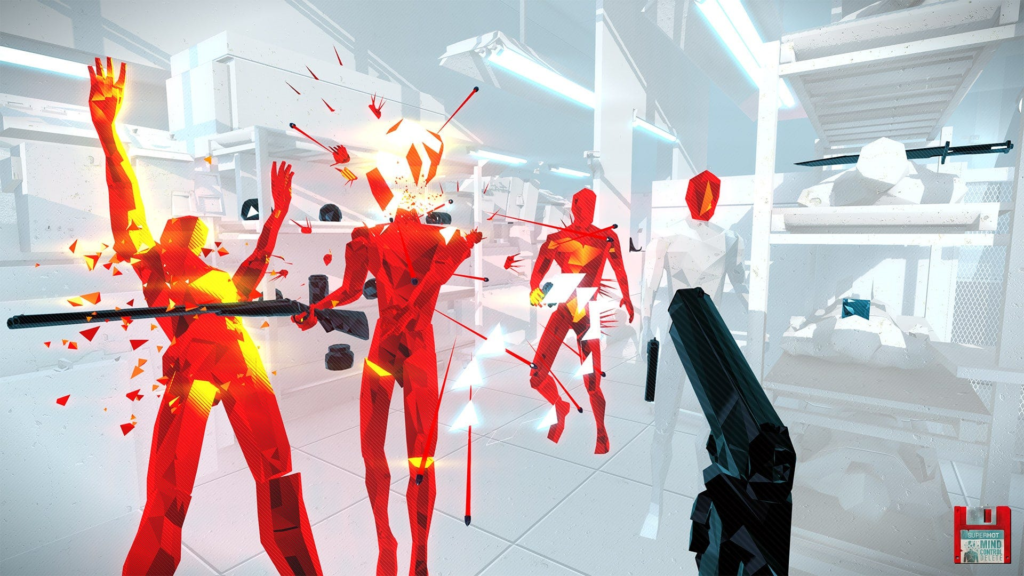
Superhot arrives disguised as a pirated exe file your friend sent you over a retro-style chat interface — and that framing never drops. As you play, a mysterious presence begins communicating through fake system messages and chat logs, gradually taking control of your actions, and at one point appearing to crash your actual desktop environment. The story’s conclusion delivers its message not to a character but directly to you, the real-world player sitting at your keyboard, making a pointed argument about free will, compulsion, and why we cannot stop playing games even when something tells us we should. The signature mechanic — time moves only when you move — becomes the vehicle for that message.
| Detail | Info |
|---|---|
| Release Date | February 25, 2016 |
| Genre | First-Person Shooter, Puzzle |
| Platforms | PC, Xbox One, PS4, Switch, Oculus |
| Co-op | No |
| Developer | Superhot Team |
| Publisher | Superhot Team |